
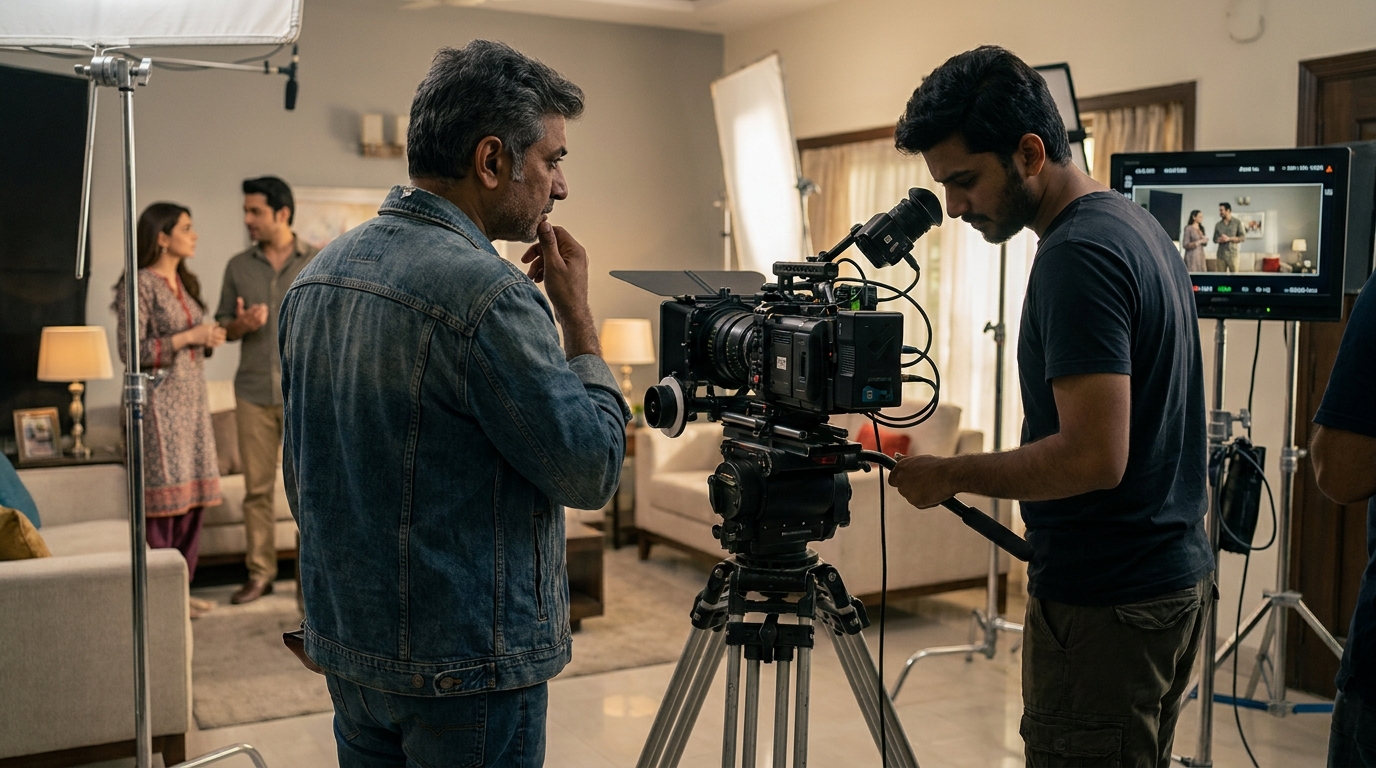
When audiences watch a television commercial, brand film or digital video, they usually see only the finished result.
They don’t see the planning meetings, script revisions, location discussions, camera tests or countless decisions made before and during the shoot.
Even a short commercial can require considerable preparation.
And while modern equipment has made video production more accessible, creating professional content still requires much more than a good camera.
### Every Production Starts With an Idea
Before thinking about locations, actors or camera equipment, the production team needs to understand the purpose of the video.
What is the message? Who is the audience? Where will the content be shown? What should viewers take away from it?
A television commercial, corporate video and drama scene may use similar production equipment, but their storytelling requirements are very different.
Clear objectives help shape the concept, script and overall creative direction.
### Pre-Production Is Where Problems Are Prevented
Pre-production is one of the most important stages of filmmaking.
This is when the script is developed, scenes are planned, locations are considered, schedules are prepared and production requirements are identified.
Depending on the project, the process may also include casting, wardrobe planning, art direction, storyboarding and technical preparation.
Good planning doesn’t eliminate every challenge on set, but it gives the team a clearer path when unexpected situations arise.
### The Director Connects the Creative Elements
A director’s responsibility goes beyond deciding where the camera should be placed.
Direction involves understanding the story, guiding performances, establishing the visual approach and coordinating creative decisions with the cinematographer and production team.
In drama production, the director must also consider character motivations, emotional continuity and the rhythm of the scene.
In advertising, the challenge is often to communicate a clear idea within a very limited duration.
Both require creative judgment and practical production awareness.
### Production Is a Team Effort
A professional shoot depends on coordination between multiple departments.
Camera, lighting, sound, art direction, production management and performers all contribute to the final result.
A technically beautiful shot may still fail if the performance feels unnatural. A strong performance may lose its impact if the sound is poor or the editing doesn’t support the moment.
The quality of a production comes from how well these elements work together.
### The Work Continues After the Shoot
Post-production is where recorded material is shaped into the final film or video.
Editing establishes the pace and structure. Sound editing and mixing improve clarity and atmosphere. Color correction and grading create visual consistency.
Graphics, music and visual effects may also be added when required.
For commercial and digital content, the final video may need multiple versions for different platforms, formats and durations.
### Why the Process Matters
Professional video production isn’t defined only by expensive equipment or elaborate sets.
It’s the result of thoughtful planning, experienced direction, technical execution and careful post-production.
When those elements are properly coordinated, the finished video feels natural and purposeful—even when the audience never sees the work behind it.
—
*Friend Solutionz* supports film, television, commercial and digital video production, bringing creative development, direction and production services together according to project requirements.